
Marijuana vaping is a method of utilizing cannabis by inhalation, to achieve a high or obtain medicinal advantages from herb. Vaporization of cannabis takes place at a reduced temperature than burning, which occurs when smoking herb.
Vaping does not utilize a fire, but heating techniques known as convection and conduction, which manage temperature to guarantee cannabis doesn’t combust and generate smoke. Vapor frequently delivers a richer flavor and smoother inhale than smoke.
In smoking and combustion, a flame such as a lighter or match is applied directly to cannabis flower, creating smoke and a more intense hit.
Vapes definitely aren’t going anywhere, but few users appear to grasp where they originated, how they operate, and what they can provide new users or those who are weary of other consumption techniques. Here’s everything you must understand about vaping herb. your favorite cannabis products are just a click away with our fast weed delivery service.
For most of our centuries-old connection with cannabis, humans have utilized it in the most direct and accessible manner: smoking. Along the way we discovered methods to consume it via tinctures and infused beverages like bhang, and condense it into more powerful forms like hash. Then, we created vaping.
In the last couple decades, interest in vaping technology has surged, largely due to our affection for tobacco and nicotine, and to discover healthier inhalation techniques. One of the first filed patents for an electronic vaporizer for plant substances came from Joseph Robinson in 1927.
Other projects followed throughout the 20th century, including a device by nicotine patch creator Jed Rose, meant to find a solution for reducing tobacco’s negative health impacts. In1993, the Cherokee medicine man Eagle Bill devised the Shake and Vape, a pipe that vaporized marijuana.
In 2000, Storz and Bickel released their first version of the Volcano Vaporizer. In 2003, Chinese entrepreneur Hon Lik invented the e-cigarette. Within a decade, marijuana oil vapes were hitting dispensary shelves, and dabbing cannabis was re-emerging amongst connoisseur circles after it was suppressed in the 1970s. Today, vaping is just another cannabis consumption choice, and cartridges and disposable vapes generated over $2 billion alone in 2021.
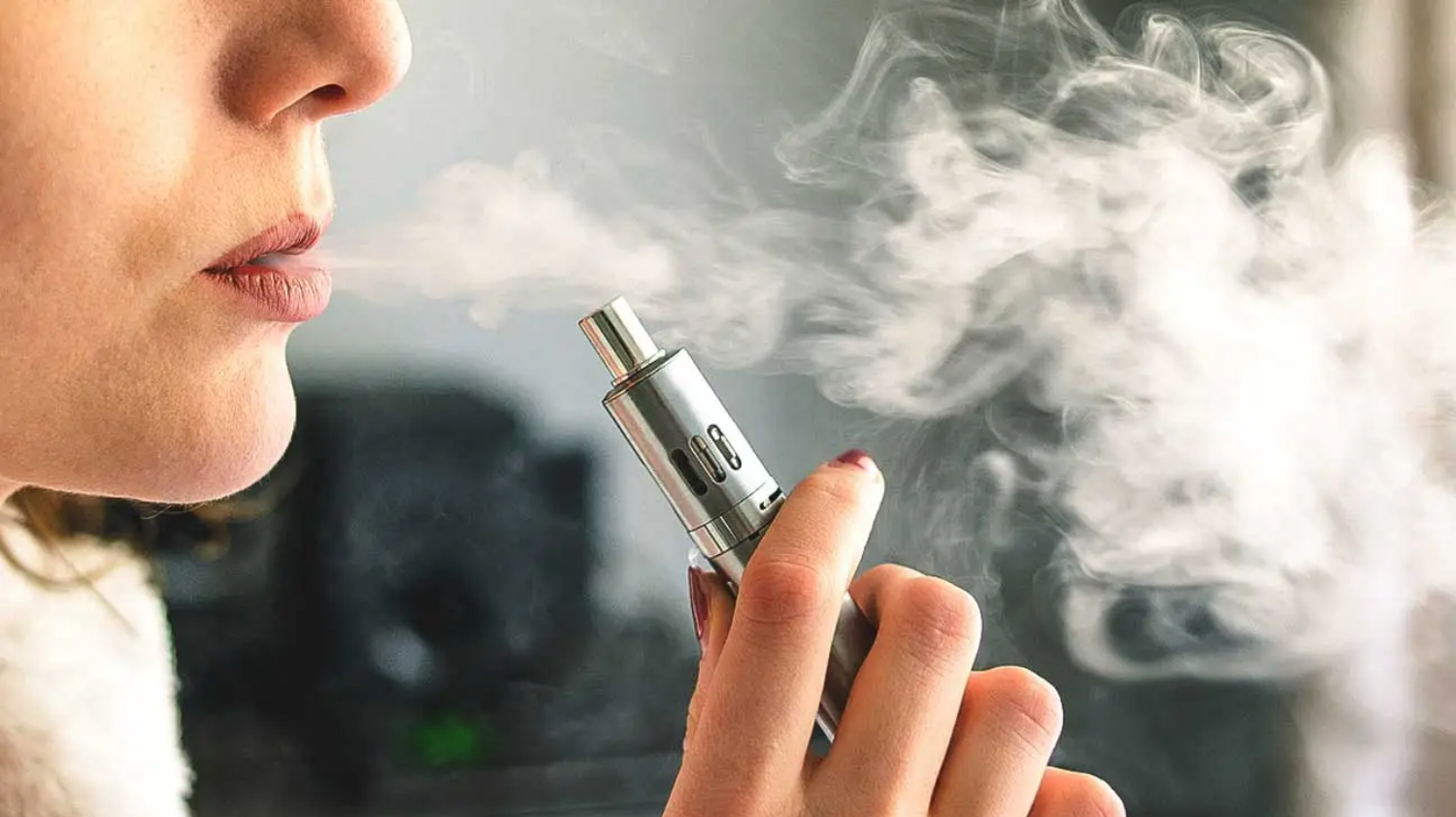
The very creation of vaping was motivated by the belief that it was healthier than smoking tobacco or cannabis and inhaling carcinogenic-rich smoke. Most individuals today opt to vape because they consider the health threats as lower.
Individuals also prefer a more discreet device that is mobile and can be utilized without the strong scent of cannabis smoke in the air or on their person. Additionally, managed, low temperatures permit for more activation of cannabinoids and terpenes before they are burned off. Some propose that vaping produces more intense effects than smoking, and oil-based vape pens also provide more potency than cannabis flower.
But there is some disagreement. Cannabis smoke, like any burnt material, contains carcinogenic elements that can affect lung function and immune response, but whether or not vaping is healthier is arguable.
A research from the University of Michigan suggests that vaping marijuana is even more harmful than smoking marijuana or even cigarettes. Our own 2022 article challenges the notion as well. Additionally, cannabis smokers tend to hold in their hits longer than cigarette smokers, so exposure is increased.
But since cannabis remains a federally prohibited substance, it’s challenging to analyze vaping’s long-term impacts and more investigation is necessary.
Herb vaporizers can vaporize dry flower and/or concentrates and utilize one of two heating methods: conduction or convection. Each has its benefits and drawbacks.
Conduction
Conduction is heating a substance through direct connection with the heating source. Think of it like a frying pan: You warm the pan and the food in the pan cooks.
In conduction herb vaporizers, the heat source is usually a ceramic or metal element energized by electricity. For instance, with a Pax vaporizer, flower or dabs are packed into a chamber, the chamber heats up, which comes in contact with the cannabis, producing vapor that you then inhale.
A majority of herb vaporizers employ conduction heating, including vape pens. Conduction allows for quick heat up times, but may not heat the product uniformly because it might not touch all material. Conduction can scorch material because it comes into direct contact with it.
Convection
Convection vaporizers function indirectly—the heated element never contacts the herb or concentrate, rather, the apparatus heats the air inside a chamber with herb, which then generates vapor.
Think of it like an oven, which consistently circulates hot air, distributing it evenly throughout the product. Convection herb vaporizers often take longer to warm up, but there is less risk of burning herb.
Vape pens and atomizers
Vape pen cartridges heat by conduction. The cartridge of cannabis oil has a heating element known as an atomizer, usually a wick, ceramic coil, or metal plate. A battery device is attached to a cartridge full of oil, which powers and warms the atomizer, vaporizing the oil that you then inhale through a mouthpiece.
Types of herb vaporizers
Vape pens
By far, the most prevalent cannabis vaping option is the vape pen. It’s discreet, potent, portable, and affordable, and they are a major part of the cannabis marketplace.
Unfortunately, cannabis prohibition and the illicit marketplace has allowed for the proliferation of fake vape cartridges that aren’t lab-tested or regulated. Be sure to only purchase your herb vape cartridges from licensed dispensaries and reputable producers, as they could be mixed with harmful substances.
Portable
Portable vapes have evolved significantly in just a decade. Their popularity can be traced back to the creation of the Pax1 by Pax Labs, launched in 2012. This vaporizer was designed for use with dry flower, and newer models also allow for concentrate vaporization at various temperatures. Pax vaporizers utilize conduction heating, but other portable vapes can use convection or a mixture of the two.
Tabletops
These large vaporizers can’t be taken outside the residence and require electricity and/or batteries. The most well-known tabletop vaporizer is the Volcano, developed in Germany and popularized in North America 20 years ago.
Most tabletop vaporizers are convection models, and they can produce a large volume of vapor from a small quantity of herb.
Flower remains the most popular cannabis product and most individuals still smoke it, but vaping flower is more economical and allows you to focus on a specific strain’s flavor characteristics and unique traits. When vaping flower you won’t have to deal with cannabis smoke or the scent remaining on your clothing.
You’re also able to adjust temperature to maximize the benefits of flower and how it affects you, as different compounds have varying decarboxylation temperatures.
Concentrate vaporizers, or e-rigs, such as the Puffco Peak, enable you to easily dab. Dabbing is a type of vaporization, which utilizes water for a smoother hit.
Concentrates are significantly stronger than flower, with THC levels ranging between 50-80% THC, whereas flower is in the 15-25% THC range.
Most individuals vape flower and concentrates much too hot. For example, you should never be dabbing at 710ºF, despite the myth that the term “710” comes from temperature.
To vape flower hot enough without compromising your high, set your temperature between 325- 430ºF. We suggest starting low and gradually increasing the temperature to your preference to ensure you don’t spoil your flower.
Concentrates have less plant matter than straight flower, so you can increase the temperature, between400-600ºF. But many dab enthusiasts argue that exceeding500ºF will compromise the complete flavor spectrum and balance of cannabinoids and terpenes in your dabs. There should always be residue left over in a concentrate vaporizer to wipe away—if you burn it all off, lower the temperature.
When you smoke a joint or pack a bowl, you inevitably reach the roach or cash the bowl—it’s done, all the herb reduced to ashes. But if you vape flower, the herb never gets hot enough to completely burn away or turn to ash.
What you’re left with is already-vaped bud, or AVB, which typically appears brown and feels dry, but can still be utilized. AVB has a lot of potential, and might have a little bit of cannabinoids and terpenes remaining in it still, and can be used for creating edibles, infusing an oil, and even smoking.